Avee Substrates

INDEPENDENT BATCH TESTING

Coco Coir Quality You Can Trace.

Avee does not operate an in-house laboratory. Samples from every production batch are tested through an independent laboratory using agreed methods, then reviewed against the buyer-approved specification before batch release.
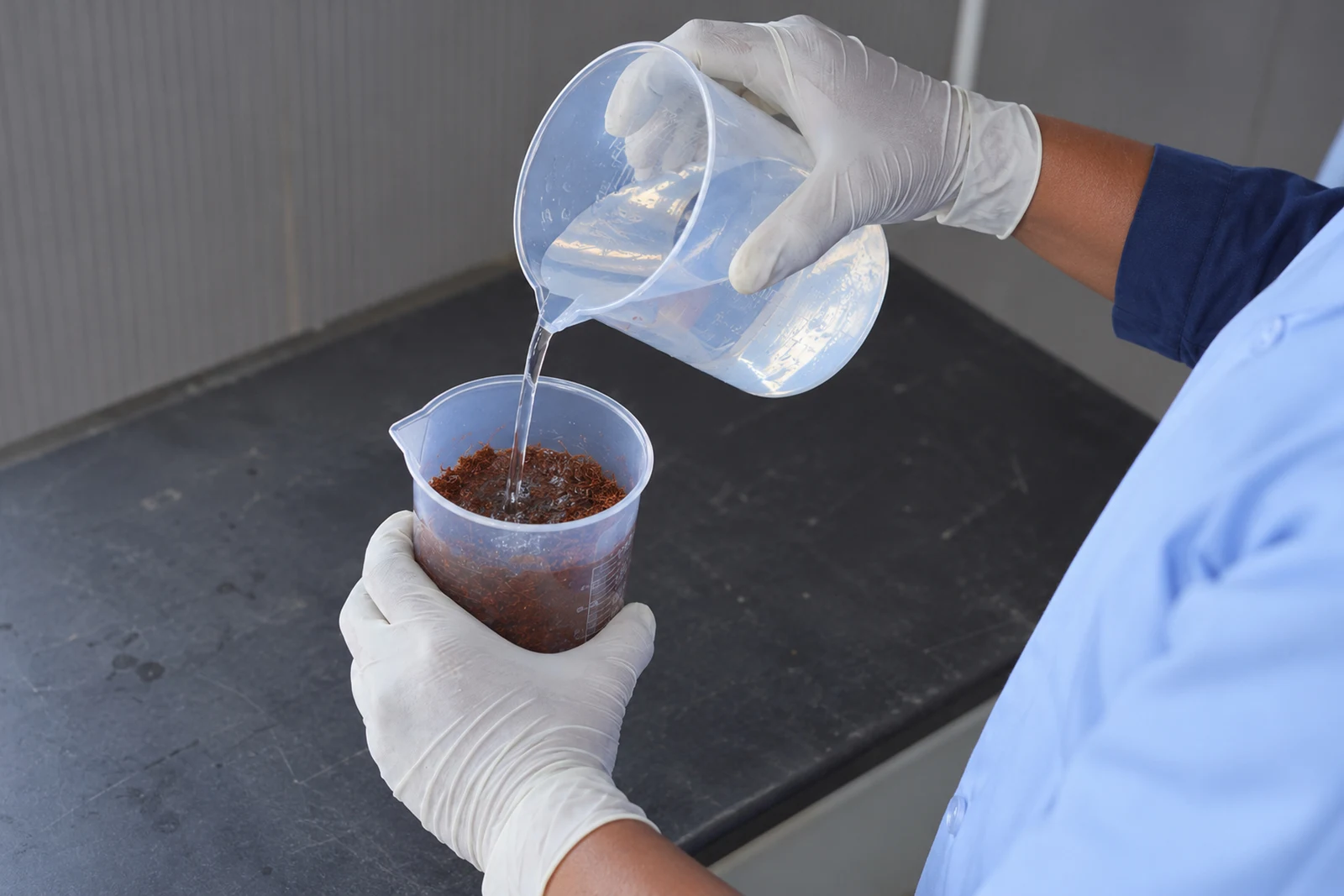
Gloved technician adding water to a coco coir sample for laboratory preparation
BATCH SAMPLE TESTING
Independent laboratory · agreed method
METHOD
How the sample is prepared and measured.
UNIT
The reporting scale used for comparison.
RANGE
Target and tolerance—not one typical value.
LOT
Sampling frequency and batch identity.
THE QUALITY PRINCIPLE

A certificate is useful only when the result is reproducible.

EC, pH, moisture, particle distribution, expansion and root-zone physical properties only become comparable when the preparation, test method, unit and tolerance are written beside the result.
FROM MATERIAL TO DISPATCH

One control plan across the batch.

01

Incoming material

Identify the source lot and review cleanliness, moisture, colour and the pith–chip–fibre profile before processing.
02

Process control

Record washing or buffering status, drying, grading and blend preparation against the approved production route.
03

Independent laboratory testing

Send a sample from every production batch to an independent laboratory for the agreed chemistry and physical tests.
04

Packing and release

Match product identity, batch records, artwork, packing configuration and buyer documents before dispatch.
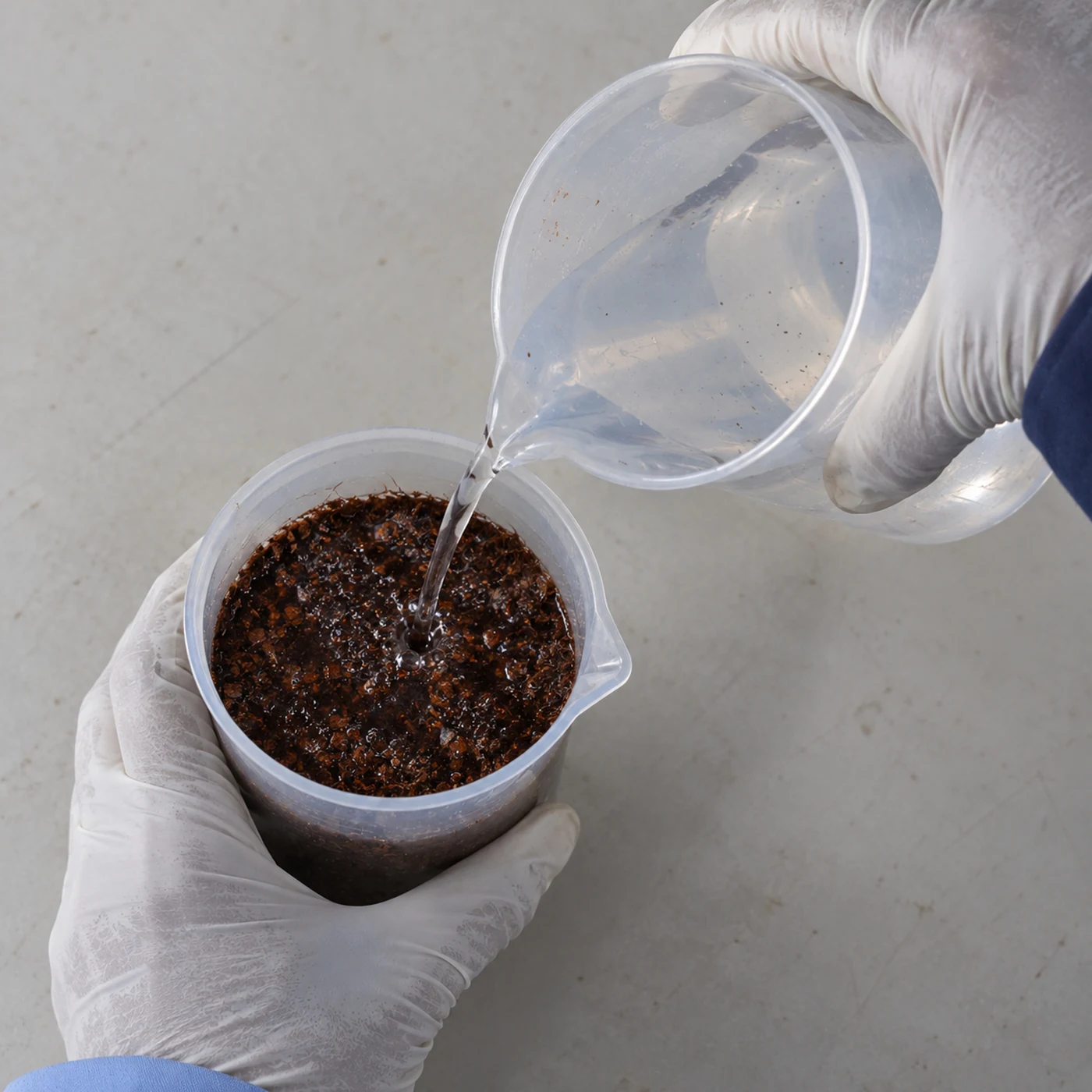
Overhead view of water being added to a coco coir laboratory sample
INDEPENDENT LABORATORY TESTING

Every production batch is tested before release.

Avee does not maintain an in-house laboratory. Batch samples are submitted to an independent laboratory using the methods agreed with the buyer. The reported results are checked against the approved specification before the batch is released.
THE BUYER TEST SCHEDULE

Define what will be tested—and how.

Use the same agreed language for trials, purchase orders and batch release. This makes quotations and repeat orders easier to compare.

Electrical conductivity and pH

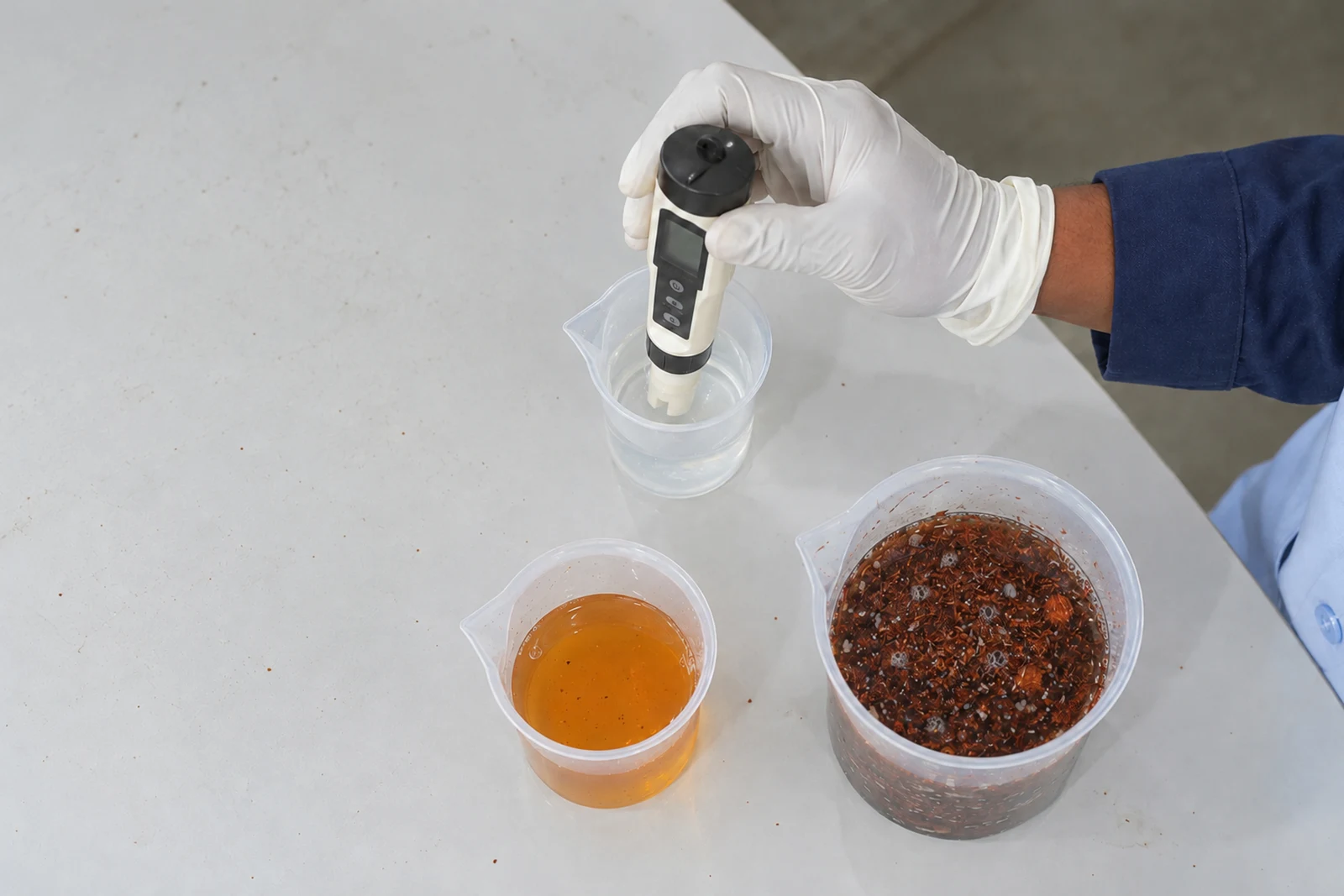
Agree the sample preparation, extraction ratio, equipment, unit and acceptance range.

Moisture and dry matter

Define the reporting basis used for product weight, storage and expansion comparisons.

Particle-size distribution

State the sieve method and reporting bands for pith, chips, fibre and fines.

Physical performance

Name the method for air-filled porosity, water-holding capacity and bulk density.

Expansion and dimensions

Record hydration conditions, time, drainage, usable volume, unit weight and finished dimensions.

Packing and identification

Connect the approved product to batch records, sleeve or bag artwork and dispatch documents.

BEFORE BATCH APPROVAL

Four things the buyer and supplier should align.

Gloved technician using an EC meter with prepared coco coir laboratory samples
The control plan should be settled before production begins, including what happens when a result falls outside the agreed range.

Written specification

Product format, treatment, test methods, units, target values and tolerances.

Approved sample

A physical reference reviewed together with the written specification—not used as its replacement.

Sampling plan

Lot definition, sample location, frequency, preparation and retention agreed before production.

Release evidence

Batch record, certificate scope and third-party inspection requirements agreed with the buyer.
BUYER QUESTIONS

Clear answers before testing.

Does Avee operate an in-house laboratory?

No. Samples from every production batch are tested through an independent laboratory using agreed test methods, and the results are reviewed against the buyer-approved specification before release.

Why does the EC method matter?

Different extraction ratios, sample preparations and units can produce results that are not directly comparable.

What are AFP and WHC?

Air-filled porosity describes drained air space; water-holding capacity describes retained water under the stated test conditions.

Does a low EC result prove that coir is buffered?

No. Washing reduces soluble salts; buffering is a separate treatment and should be specified and verified independently.

Can additional third-party testing be requested?

Yes. The laboratory, sampling point, method, parameters, acceptance range, timing and cost should be agreed before production.
AVEE BUYER DESK

Send the test method, acceptance range and order requirement.

Request a quotation WhatsApp