Avee Substrates

CROP PROGRAMME

Coir for Greenhouse Vegetables

Compare coir supply formats for greenhouse tomatoes, cucumbers, sweet peppers and eggplant. Use the crop guides for the planting brief, then decide whether you need finished grow bags, individual containers or unwrapped slab inserts.
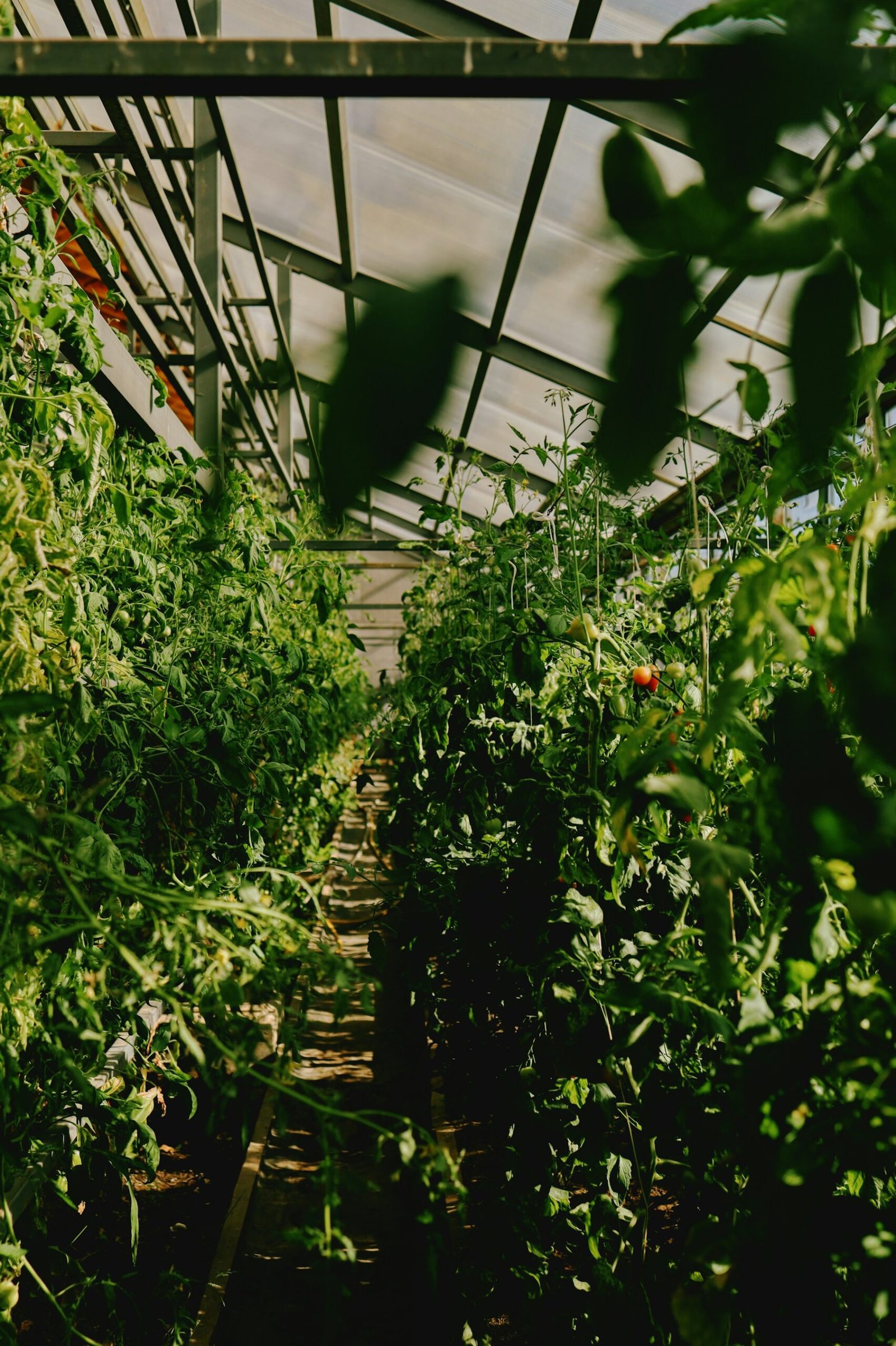
Tall tomato plants producing fruit inside a commercial greenhouse
Coir for Greenhouse Vegetables · commercial crop
CHOOSE THE CROP ROUTE

Start with the crop, then compare the growing unit.

01

Tomato

Check gutter size, plants per slab, transplant fit and the planned crop length.
02

Cucumber

Compare row layout, dripper positions, bag wetting and crop changeover requirements.
03

Sweet pepper

Bring transplant size, plant spacing, container support and trial objectives together.
04

Eggplant

Define the bag or pot layout and the change needed from your current medium.
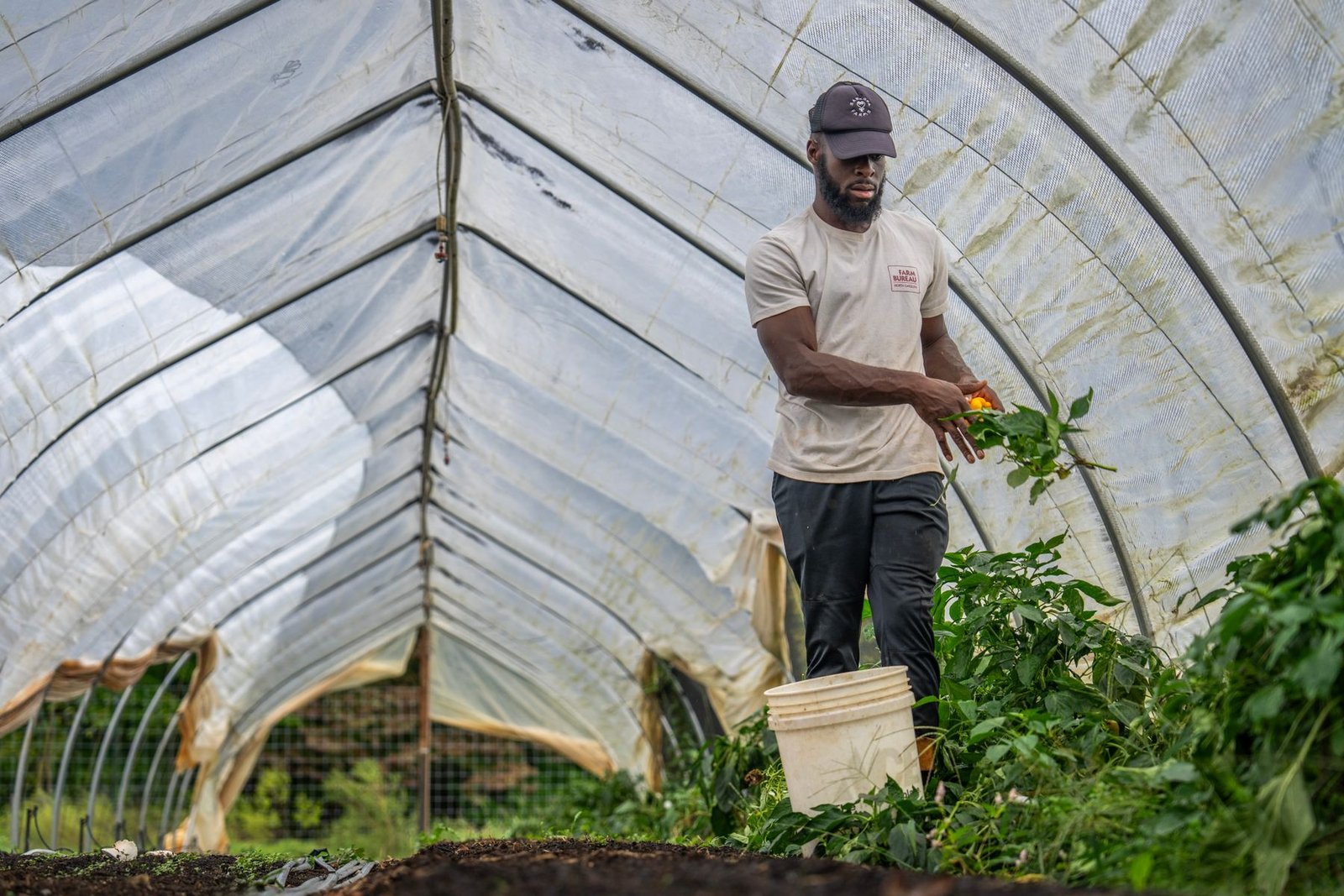
Grower harvesting fresh peppers inside a protected crop greenhouse
Coir for Greenhouse Vegetables · production system photograph
THE GROWER BRIEF

Three supply routes for vegetable growers and importers.

Finished slabs: sleeved coir grow bags let you specify the blend, hydrated size, planting positions and drainage layout together.

Individual containers: compare open-top bags when the production layout uses separate growing units. Send filled volume, footprint and plant spacing.

Local finishing: unwrapped coir slabs are a separate purchase brief for buyers completing sleeving or assembly at their own site.

Crop details: keep the crop-specific layout and trial requirements with the format drawing rather than ordering from a crop name alone.

TRIAL BEFORE SCALE

What the grower should measure.

For a multi-crop purchase, give each growing unit a separate drawing or specification reference. Record which crop, blend, treatment and opening layout belongs to each line. Trial the proposed configurations and keep approvals attached to the order so similar-looking bags are not treated as interchangeable.

Irrigation inputs

Frequency, shot size, source-water EC and feed strategy.

Root-zone response

Drain or run-off, root-zone EC, wetting, rewetting and dry-back.

Crop response

Establishment, uniformity, root health, plant balance and marketable yield.

Commercial fit

Drawings by product line, required quantities, planting windows, packing labels and receiving-site handling.
GROWER QUESTIONS

Before the substrate trial.

Can one bag drawing cover several vegetable crops?

It can only be treated as a shared format after the grower confirms the dimensions, plants per unit, openings, treatment and blend for each use. Keep crop-specific requirements separate where they differ. The crop guides above help identify what needs to go into each brief.

Should the coir be washed or buffered?

That decision depends on crop sensitivity, source-water chemistry and the grower’s fertigation programme. Specify both processes separately.

What should a mixed vegetable order include?

Send one line per format with the crop, product reference, dimensions, plant and dripper positions, treatment and quantity. Add sample approval requirements, the planting window, packing and destination. Use the export planning guide to agree unloading and freight scope.
DISCUSS YOUR REQUIREMENT

Send the crop list and the formats you need.

Request a quotation WhatsApp